
Blog
Epitalon: What Current Research Says About This Synthetic Peptide
Jul
Enhanced Cellular Health
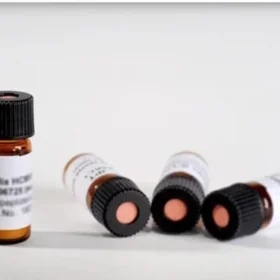
Buy Epitalon Online Forsale: 10mg is a premium peptide renowned for its ability to support and optimize cellular health. Known for its role in regulating the production of telomerase, Epitalon helps maintain youthful and well-functioning cells, making it highly sought after in the realm of health and wellness.
Longevity and Vitality Support
Designed for those who prioritize longevity, Epitalon promotes sustained vitality and overall wellness. By encouraging optimal cellular function, this cutting-edge peptide complements an active and vibrant lifestyle, offering a natural solution for long-term health goals.
High-Quality and Purity
Crafted with utmost precision, Epitalon – 10mg is lab-tested to ensure the highest standards of purity and efficacy. Suitable for various health optimization routines, this peptide is ideal for improving wellbeing without compromise. Experience the benefits of exceptional quality with Epitalon.
Disclaimer for USA Peptides Hub Purchases
By purchasing from USA Peptides Hub™, you acknowledge and agree to the following terms.
Research Use Only: All products are exclusively sold for research purposes and are not intended for human use, therapeutic, diagnostic, or clinical application.
Not Medical Products: None of the products listed on our website are medical products and must not be marketed or used as such.
Compliance & Responsibility: Customers are responsible for ensuring compliance with all applicable laws and regulations.
No Returns: Due to the nature of these products, returned products cannot be accepted.
Your purchase signifies your understanding and agreement to these terms.
Epitalon is a high-purity synthetic tetrapeptide studied in laboratory environments for its role in cellular signaling processes, peptide–receptor interactions, and intracellular regulatory mechanisms. Its defined molecular structure and stability make it suitable for controlled experimental research and analytical investigation.
In in-vitro and experimental research models, Epithalon is primarily used to analyze molecular pathways, cellular behavior, and peptide-based interaction mechanisms within controlled biological systems. Its lyophilized form supports consistent handling, reproducibility, and precise biochemical analysis.
Research Applications
Investigation of intracellular signaling and regulatory pathways
Study of peptide–receptor interaction mechanisms
Analysis of cellular behavior in controlled laboratory systems
Use in biochemical and molecular research involving regulatory peptides
Key Features
High-purity lyophilized research peptide (≥99%)
Synthetic tetrapeptide with defined molecular structure
Stable formulation suitable for laboratory research
Designed for controlled molecular, cellular, and biochemical studies
Content
Compound: Epithalon
Quantity: 10 mg
Form: Lyophilized powder
CAS Number: 307297-39-8
Storage Information
Store in a cool, dry place protected from light
Refrigeration recommended for maximum stability
Use within the recommended timeframe after reconstitution
Why PSPeptides
Quality You Can Count On
We go above and beyond to ensure every product meets the highest standards of purity and quality.
Third-Party Tested
Every batch undergoes rigorous independent laboratory testing with HPLC and Mass Spectrometry verification.
99%+ Purity
Our strict quality control process ensures every peptide meets a minimum 99% purity threshold before shipping.
Fast Shipping
Orders placed before 2PM EST ship same day. Discrete packaging with full tracking on every order.
Expert Support
Our knowledgeable team is available 7 days a week to answer your questions and help with orders.
Potential Benefits in Research
✔️ Telomere Length Regulation
Epitalon has been shown to influence telomerase activity, potentially slowing down telomere shortening, a process linked to aging. This effect has been studied in models related to cellular aging and longevity.
✔️ Anti-Aging and Cellular Regeneration
Studies suggest that Epitalon may promote the rejuvenation of aged cells, enhance DNA repair mechanisms, and contribute to overall longevity.
✔️ Circadian Rhythm Modulation
As a regulator of the pineal gland, Epitalon may help in the modulation of melatonin secretion, improving sleep patterns and circadian rhythm regulation.
✔️ Immune System Support
Preclinical research suggests that Epitalon may enhance immune system function and promote healthier immune responses, which can decline with age.
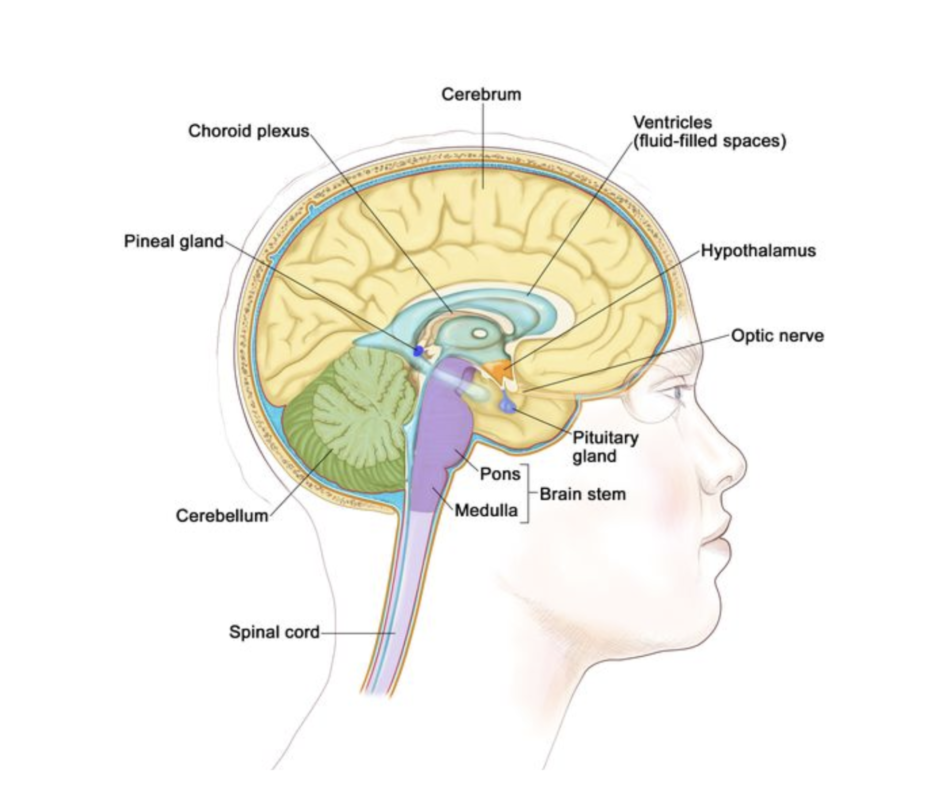
Melatonin is well-known for its role in sleep regulation, but it also influences immune function, oxidative stress, and even cellular repair mechanisms.
Epitalon has become a focal point in longevity research. For decades, its physiological relevance remained speculative, as the peptide had not yet been identified in human tissue. That changed in 2017, when researchers confirmed the presence of Epitalon in native pineal gland extracts, a discovery that validated its endogenous origin and helped explain its overlap with, but also differences from, Epithalamin. While both peptides share similar geroprotective properties, Epitalon appears to differ in intensity and spectrum of action, possibly due to its structure or formulation.
Today, Epitalon is usually studied in its free-base form. Some research also explores acetate or trifluoroacetate (TFA) salt forms. Despite its peptide nature, which often poses bioavailability challenges, Epitalon has been reported in some sources to exhibit resistance to hydrolysis, suggesting potential for oral uptake under specific conditions. Nevertheless, the vast majority of published studies rely on subcutaneous injection routes to ensure consistent systemic absorption and biological effect.
Epitalon’s appeal lies in its unusually broad mechanistic reach: it can activate telomerase and support telomere maintenance in human cells, modulate gene expression epigenetically by influencing chromatin accessibility and promoter interactions, enhance tissue repair in disease contexts such as diabetic retinopathy by reducing oxidative stress and EMT while improving wound healing in retinal cells, bolster redox homeostasis by upregulating endogenous antioxidant defenses and lowering DNA-damage markers , rebalance immune tone via IL-2 upregulationand shifts in CD4+/CD8+ profiles, and even reset circadian biology by tuning core clock genes and melatonin dynamics.
In short, Epitalon doesn’t act on one aging lever; it acts on many. This makes it both exciting and difficult to pin down. It doesn’t “cure” aging (nothing does), but it appears to modulate several pathways that otherwise accelerate it.
Interest in Epitalon has grown in part due to its visibility on biohacking forums, and partially due to the resurgence of peptide therapeutics in both academic and clinical spaces. The publication of high-quality mechanistic studies, coupled with small human trials showing functional endocrine and immune effects, has elevated the peptide from fringe curiosity to a serious candidate in the longevity toolkit.
But for all its promise, Epitalon still occupies a grey zone: scientifically fascinating, clinically provocative, but not yet fully understood. That’s why this article aims to dissect the evidence with precision, walk through its mechanistic layers, and separate signals from speculation.
While its mechanisms are complex and wide-ranging, questions of delivery and dosing remain front of mind for both researchers and clinicians. Understanding how Epitalon is administered provides the practical foundation before we dive into biology.
Delivery, Dosing, and Practical Considerations: What We Know (and Don’t)
Before exploring Epitalon’s cellular mechanisms, it’s important to ask a practical question: how is this peptide actually delivered, and what do we know about dosing?
As a peptide, Epitalon faces major pharmacokinetic challenges, particularly poor oral bioavailability due to enzymatic degradation in the gut. This has led researchers to explore alternative delivery routes that maximize cellular uptake, stability, and systemic reach, while minimizing degradation.
Across most animal and human studies, two primary routes dominate [1]:
- Subcutaneous injection: Used in numerous rodent studies (typically 0.1–10 µg/mouse/day) and in human trials (commonly 0.5–1 mg/day), especially in circadian and immune studies.
- Intranasal administration: Employed in studies on hypothalamic IL-2 expression and cognitive outcomes, leveraging the olfactory bulb for CNS entry.
These routes bypass first-pass metabolism, offering more reliable delivery to target tissues, especially in neuroendocrine and immunomodulatory applications.
For Epitalon to move from niche biohacking to clinical application, a viable delivery system is non-negotiable. Sublingual sprays or transdermal patches must be developed to make them realistic in clinical workflows.
In models of retinal degeneration, Epitalon has been delivered via parabulbar injection, a technique that places the compound near the posterior eye to maximize local availability. While effective in rats, this delivery method is unlikely to be practical or scalable in clinical longevity settings.
To address systemic uptake limitations, researchers have explored dendrimer-conjugated Epitalon. These tree-like nanostructures improve peptide penetration through cell membranes. In silico and in vitro studies show enhanced bioavailability and intracellular access, though no in vivo human studies have yet validated this method [66]. This route offers potential for future oral or transdermal formulations, but more research is needed before real-world use.
Despite its growing popularity in biohacking circles and advanced longevity practitioners, Epitalon’s long-term safety remains unclear:
- No large-scale toxicology or pharmacokinetic studies in humans have been published.
- The peptide exists in eight stereoisomeric forms, but only the all-L form (natural configuration) has been studied. The effects and potential toxicity of other forms remain untested.
Until stereoisomer-specific studies and formal pharmacovigilance data are available, any long-term or high-dose use carries unknown risk.
If one were to extrapolate from existing human trials:
- Dose: 0.5–1 mg per day
- Route: Sublingual or subcutaneous
- Duration: Up to 20 days (as used in circadian gene studies)
Yet these regimens should not be considered prescriptive or approved protocols. Without validated biomarkers of efficacy, real-world results remain anecdotal at best.
For peptides like Epitalon to move from lab to clinic, the delivery method matters as much as the mechanism. A molecule that can activate telomerase or modulate circadian genes is only useful if it reaches its target intact. As it stands, Epitalon’s pharmacological profile is promising but incomplete, raising key questions about long-term safety, optimal dosing, and how to harness its effects in a reliable, standardized way.
With these practical considerations in mind, we can turn to the cellular level where some of the most striking evidence lies in Epitalon’s effects on telomeres.
Epitalon and Telomere Length: The Anti-Aging Mechanism Everyone’s Talking About
If aging had a clock, telomeres would be the ticking hands and telomerase, the mechanism that resets it.
Telomeres are repetitive DNA sequences (TTAGGG/AATCCC) that cap the ends of chromosomes, protecting genetic material during cell division. But each time a cell divides, these protective caps erode slightly, like the tips of shoelaces fraying over time. Eventually, when telomeres become critically short, the cell enters senescence: an irreversible state of growth arrest linked to aging and disease [22].
This attrition is what scientists call the Hayflick limit, named after Leonard Hayflick, who discovered that normal human cells divide roughly 40–60 times before stopping. The enzyme telomerase can restore these caps, but in most somatic cells, telomerase is switched off after birth. This makes activating telomerase in adult tissues a tantalizing yet controversial strategy in longevity science.
Anti-Tumor Effects: Is Epitalon a Cancer-Preventive Peptide?
Caution: Epitalon is not a cancer treatment. Its role lies in genomic maintenance and early-stage risk reduction, not tumor eradication.
Cancer is often seen as a disease of genetic chaos driven by mutations, chromosomal instability, and uncontrolled cellular division. What makes Epitalon intriguing in the oncology space is not that it targets tumors directly, but that it appears to stabilize genomic integrity that allows cancer to flourish in the first place.
While no human clinical trials have yet tested Epitalon in cancer therapy, a growing body of animal studies suggests that it may reduce mutation load, normalize gene expression, and delay the onset of tumors, especially in aging or genetically predisposed systems.
Genomic instability is a defining hallmark of cancer. Across several preclinical models, Epitalon demonstrated a reduction in chromosomal aberrations, i.e., those misalignments, breaks, and translocations that set the stage for malignant transformation.
In SAMP mice, which naturally exhibit accelerated aging and genome instability, Epitalon treatment stabilized chromatin structure, supporting a preventative mechanism rooted in epigenetic control and DNA repair
One of the most compelling cancer prevention models is the HER-2/neu transgenic mouse, engineered to spontaneously develop mammary tumors. In this model, Epitalon reduced the overall incidence of breast adenocarcinoma; tumors that did develop appeared later and were smaller in size, and the total multiplicity of tumors per mouse was significantly reduced. Importantly, HER-2/neu overexpression is a clinically relevant target in human breast cancers, making this model highly translational for cancer risk mitigation in susceptible populations. Epitalon was also found to downregulate HER-2/neu gene expression, likely through modulation of chromatin structure or transcriptional regulation. Though the exact pathway is not yet fully delineated, it underscores the possibility that Epitalon influences oncogene expression, not merely downstream tumor growth.
