
Blog
Buy Research Peptides Online: A Guide to Quality, Purity, and Responsible Scientific Research
Jun
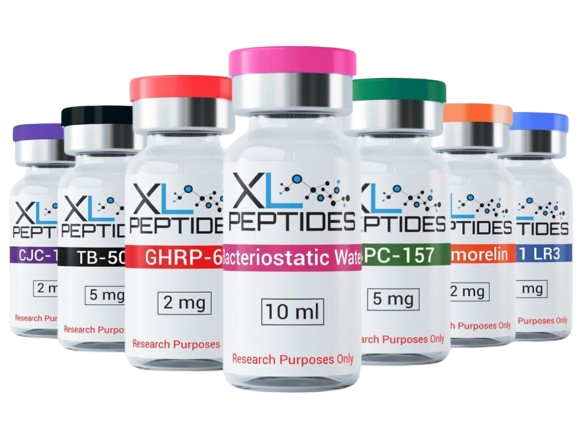
Buy Research Peptides Online: The field of peptide science continues to grow as researchers explore the potential of peptides in areas such as metabolism, endocrinology, tissue repair, and molecular biology. With increasing demand for high-quality laboratory compounds, selecting a reliable supplier has become an important part of the research process. Research peptide suppliers typically emphasize laboratory-grade products, quality testing, and research-use-only standards rather than consumer or therapeutic use.
Whether you’re working in an academic laboratory, biotechnology setting, or independent research environment, understanding what distinguishes a quality peptide supplier can help support accurate and reproducible scientific work.
What Are Research Peptides?
Research peptides are short chains of amino acids used in laboratory and scientific investigations. Scientists study these compounds to better understand biological pathways, receptor interactions, and molecular mechanisms involved in various physiological processes.
Common research areas include:
- Metabolic function
- Endocrine signaling
- Cellular communication
- Tissue regeneration research
- Inflammation research
- Receptor biology
- Protein interaction studies
These compounds are intended strictly for laboratory research purposes and should only be handled by qualified professionals in controlled research environments. Many reputable suppliers clearly state that their products are not intended for human consumption or therapeutic use.
Why Quality Matters in Research Peptides
Reliable research begins with high-quality materials. Even minor variations in peptide purity or stability can influence laboratory results and reduce reproducibility.
When evaluating a peptide supplier, researchers often look for:
- High purity standards
- Batch consistency
- Proper storage and packaging
- Laboratory documentation
- Third-party analytical testing when available
- Transparent product information
Using well-characterized materials helps improve confidence in experimental outcomes and supports reproducible scientific research.
Popular Categories of Research Peptides
Modern peptide research spans numerous scientific disciplines. Frequently studied categories include:
Metabolic Research Peptides
Scientists continue to investigate compounds involved in metabolic regulation and energy balance. These peptides are commonly explored in laboratory studies focusing on obesity, glucose metabolism, and hormone signaling.
Examples include investigational compounds that interact with GLP-1 and related pathways.
Growth Hormone Research
Growth hormone–related peptides remain important tools for endocrine and physiological research.
Researchers study these compounds to understand:
- Growth hormone release
- IGF-1 signaling
- Endocrine regulation
- Metabolic responses
Tissue Repair and Regeneration Research
Some peptides are investigated for their potential role in cellular repair mechanisms, connective tissue biology, and wound-healing pathways.
Research in this field continues to expand as scientists explore fundamental biological processes.
Anti-Aging and Cellular Biology
Researchers also investigate peptides involved in:
- Cellular communication
- Skin biology
- Collagen production
- Healthy aging research
- Oxidative stress
These studies contribute to a broader understanding of molecular biology and regenerative science.
Choosing a Trusted Research Peptide Supplier
A professional peptide supplier should prioritize transparency, quality assurance, and compliance with research-use standards.
Consider suppliers that provide:
High Purity Products
Many reputable laboratories look for peptides manufactured to high purity specifications suitable for laboratory experiments. Some suppliers advertise purity verified through analytical testing.
Laboratory Testing
Certificates of Analysis (COAs), HPLC testing, and Mass Spectrometry data can provide additional confidence in product identity and quality.
Secure Packaging
Proper packaging helps maintain peptide stability during storage and shipping while reducing contamination risks.
Fast Shipping
Reliable order processing and timely shipping are important for laboratories working within scheduled research timelines.
Responsive Customer Support
Knowledgeable support teams can assist researchers with product specifications, shipping information, and general laboratory inquiries.
Research Use Only
One of the most important characteristics of reputable peptide suppliers is a clear commitment to responsible research practices.
Legitimate suppliers consistently state that:
- Products are intended for laboratory research only.
- Products are not approved for human consumption.
- Products are not intended to diagnose, treat, cure, or prevent disease.
- Purchasers should be qualified researchers or institutions.
These statements reflect the investigational nature of many peptide compounds.
Supporting Scientific Research
Peptide science continues to advance rapidly, with researchers investigating new compounds and biological pathways.
Applications of peptide research include:
- Molecular biology
- Biochemistry
- Pharmacology
- Endocrinology
- Cell signaling
- Biomedical research
- Protein engineering
Every new discovery contributes to a better understanding of human biology and future therapeutic development.
Quality, Consistency, and Reliability
Successful laboratory research depends on consistency.
Researchers often prioritize suppliers that emphasize:
- Reliable manufacturing standards
- Product consistency
- Accurate labeling
- Controlled handling procedures
- Scientific transparency
These qualities help laboratories maintain confidence in their experimental materials.
Staying Informed About Peptide Research
The peptide research landscape continues to evolve as new studies are published and investigational compounds are evaluated.
Researchers benefit from:
- Reviewing peer-reviewed scientific literature
- Monitoring new developments in peptide biology
- Following laboratory best practices
- Using properly documented research materials
- Working within applicable institutional and regulatory guidelines
Keeping up with scientific advancements supports informed research planning and experimental design.
Final Thoughts
Research peptides remain an important part of modern biomedical and laboratory science. Whether studying metabolism, endocrinology, cellular biology, or molecular signaling, access to high-quality research materials is essential for generating reliable experimental results.
When selecting a peptide supplier, focus on transparency, quality assurance, analytical testing, and clear research-use policies. Responsible suppliers emphasize laboratory-grade standards, provide product documentation where available, and clearly state that their products are intended exclusively for scientific research.
By choosing reputable sources and following established laboratory practices, researchers can support reproducible, high-quality scientific investigations while contributing to the growing body of peptide research.
